Vibration Control for Pumps, Compressors, Motors and Turbines
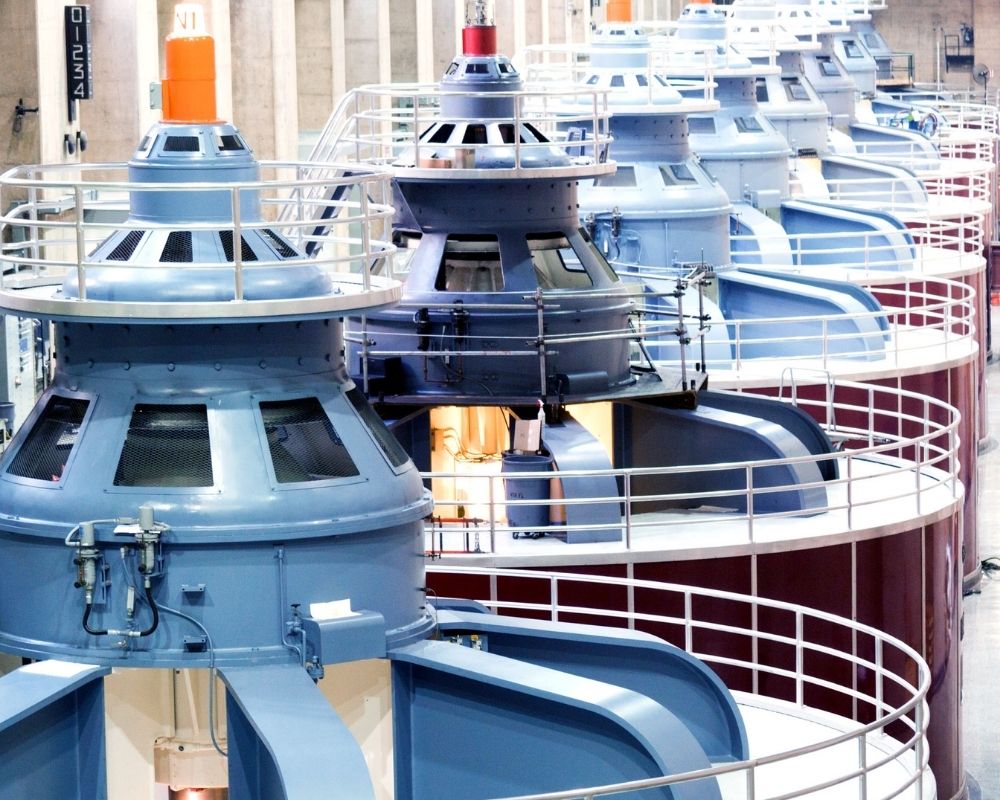
All rotating machines generate vibrations due to imbalance, eccentricity and misalignment of rotating components. Additional vibration sources may include internal friction, contact between moving parts, as well as thermal and fluid-dynamic phenomena occurring during operation.
Typical industrial vibration sources include:
Pumps
Compressors
Fans
Electric motors
Internal combustion engines
Turbines
Gear reducers
Alternators
Centrifuges
If not properly isolated, these vibrations can be transmitted to supporting structures, reducing system reliability and accelerating structural wear.
Isolation of Constant-Speed Machinery
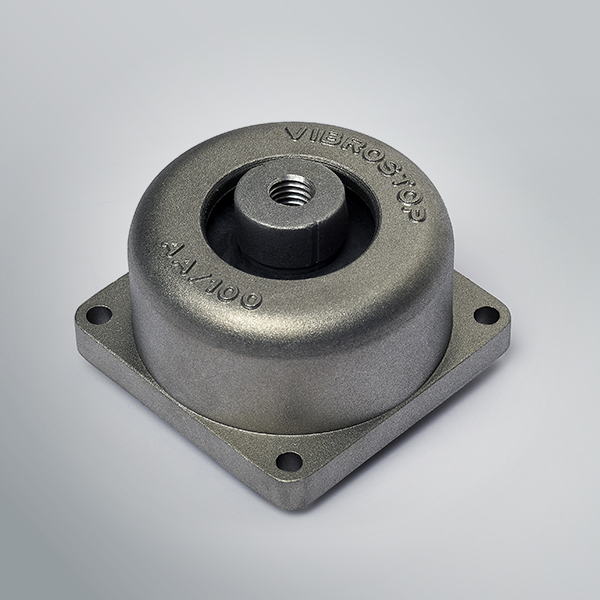
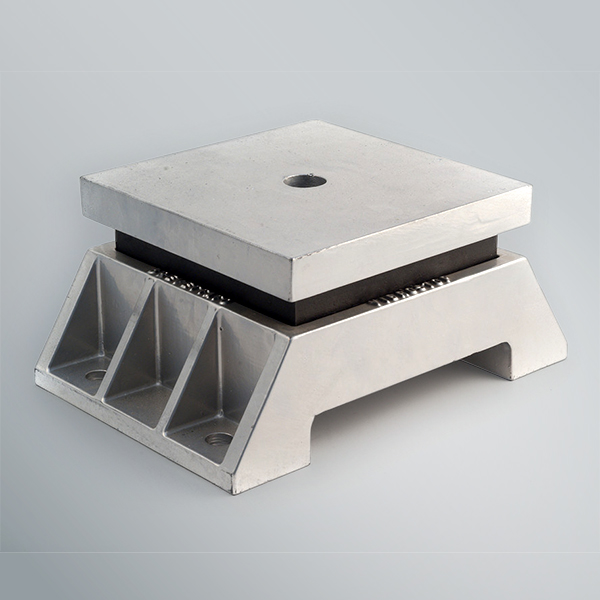
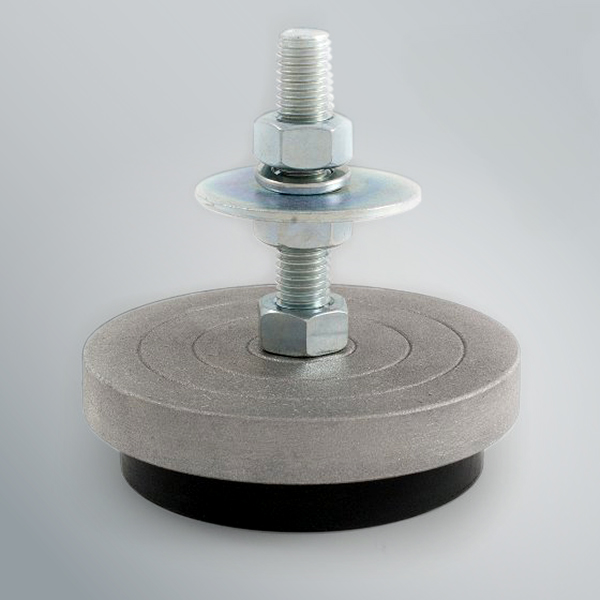
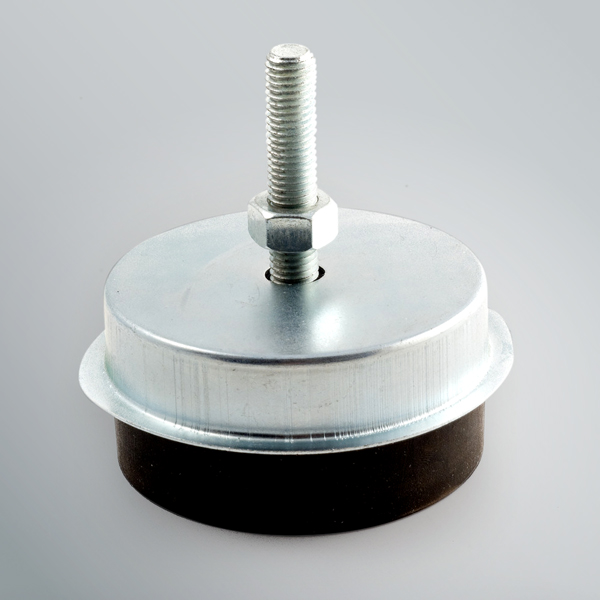
Machines operating at nearly constant speed — except for short start-up and shutdown phases — and subject to moderate horizontal forces can be effectively isolated using MOPLA spring isolators.
Proper selection is based on:
Point load
Achieving a natural suspension frequency lower than one-third of the main excitation frequency (e.g., first-order harmonic)
This design criterion ensures excellent vibration isolation, with up to 90% reduction of vibration transmission to the base structure.
Isolation of Variable-Speed Machinery
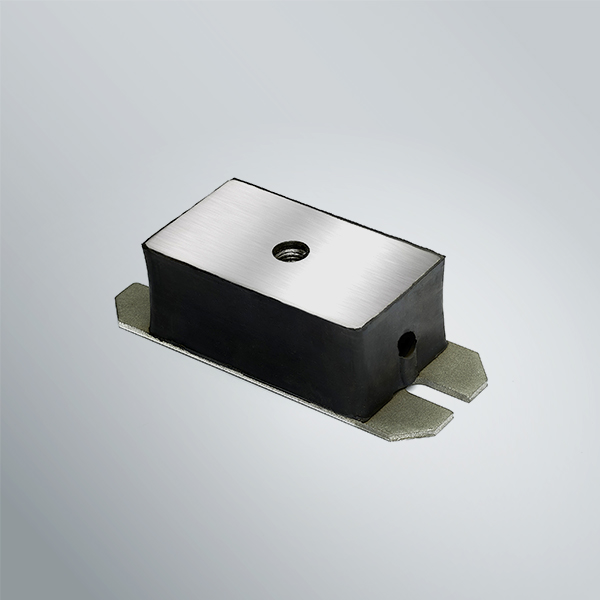
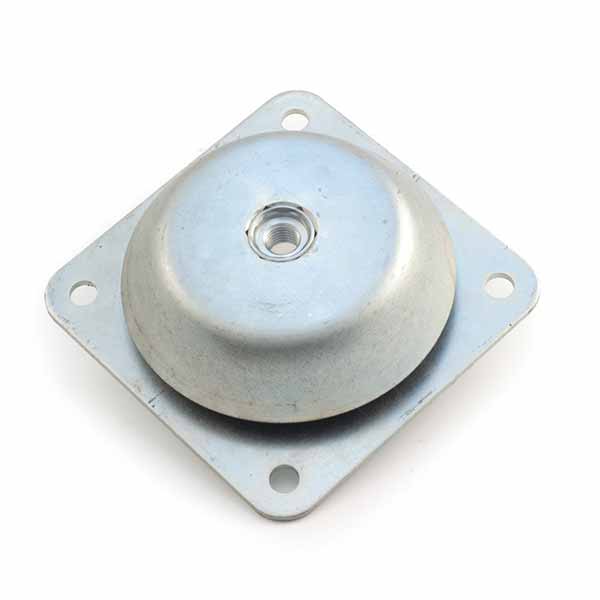
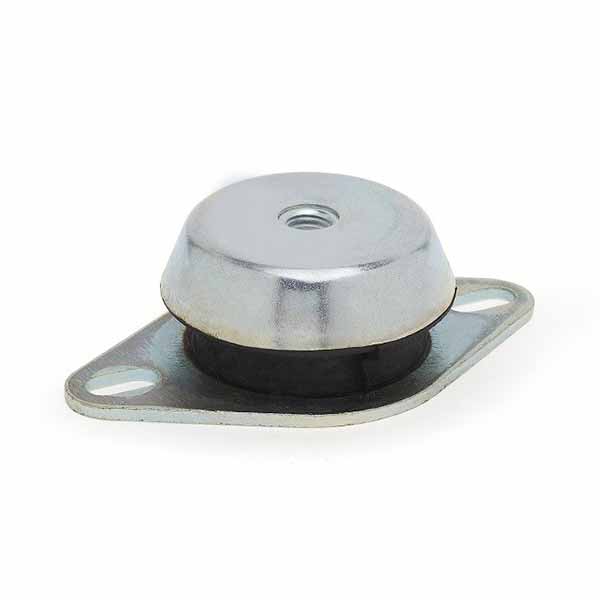
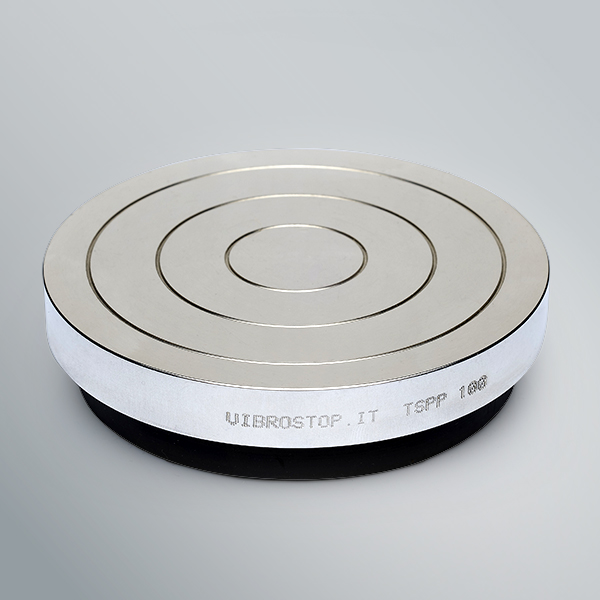
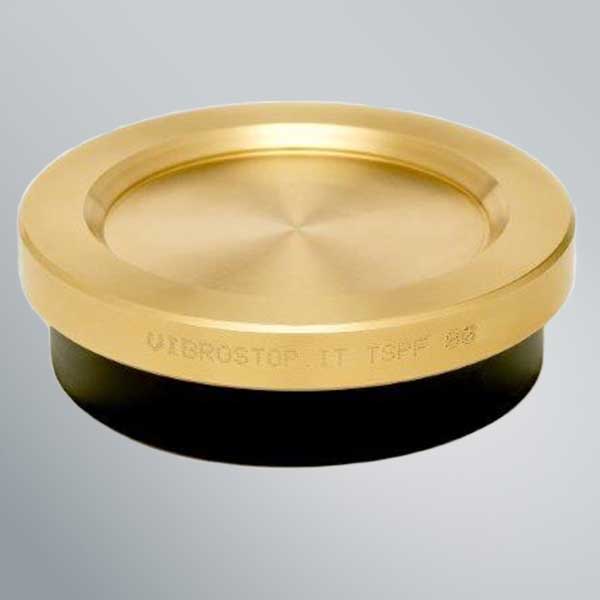
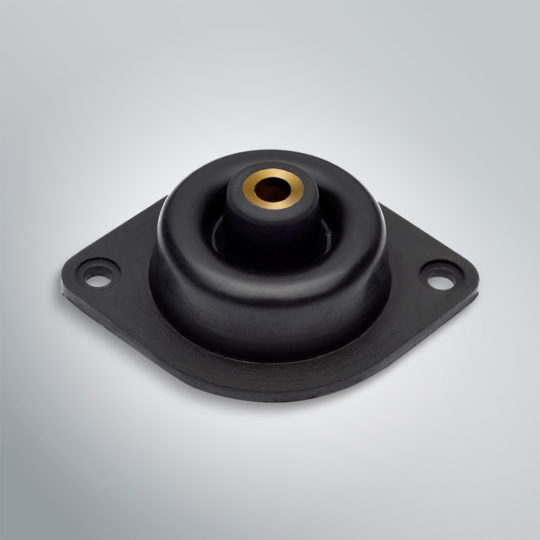
For machines operating at variable speeds, rubber isolators often represent the optimal solution. Their higher damping characteristics help minimize issues related to temporary resonance crossing during speed variation.
This website uses cookies to improve your experience while you navigate through the website. Out of these, the cookies that are categorized as necessary are stored on your browser as they are essential for the working of basic functionalities of the website. We also use third-party cookies that help us analyze and understand how you use this website. These cookies will be stored in your browser only with your consent. You also have the option to opt-out of these cookies. But opting out of some of these cookies may affect your browsing experience.