Vibration Control for Machine Tools and Production Lines
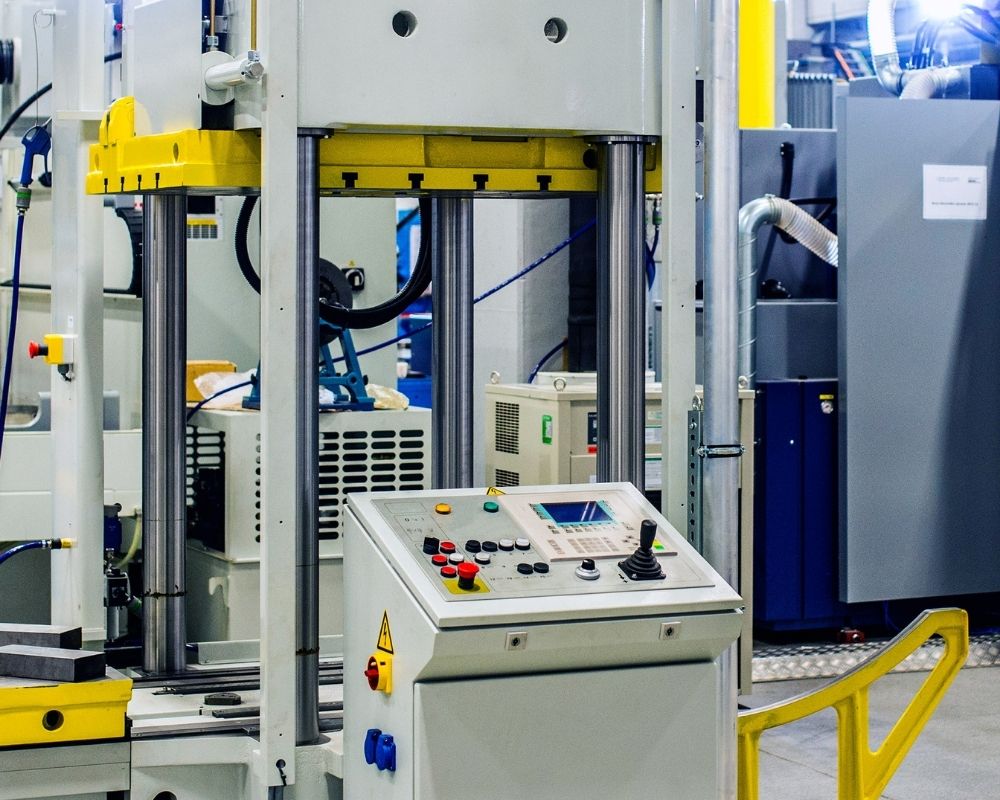
In manufacturing environments, continuously operating machinery and production systems generate noise and vibration that may exceed acceptable tolerance levels, potentially affecting both worker comfort and operational reliability.
In precision manufacturing, the challenge becomes even more critical. High-precision machine tools and quality control test benches require extremely low incoming vibration levels — often incompatible with typical industrial surroundings.
Effective vibration control is therefore essential to ensure machining accuracy, measurement reliability and long-term equipment performance.
Structural Isolation Solutions
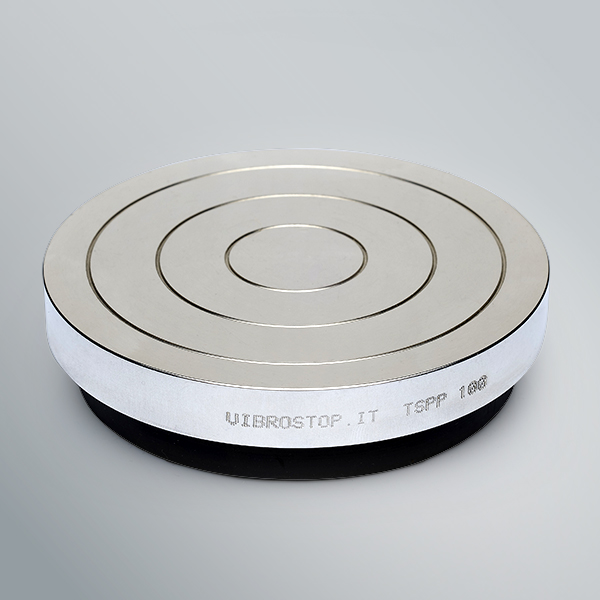
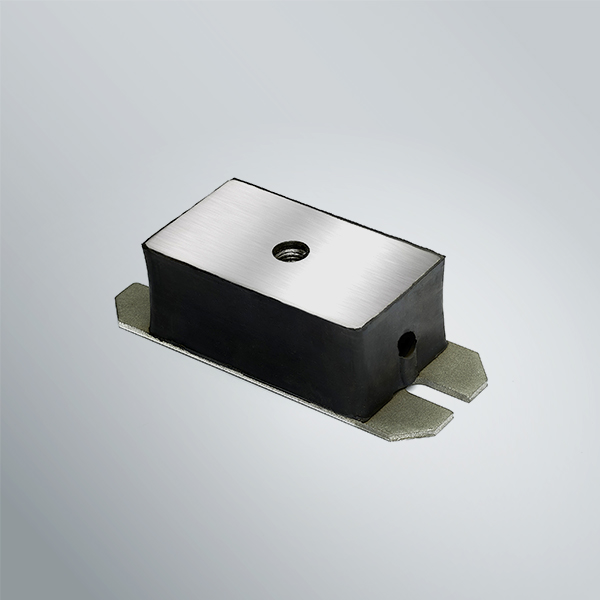
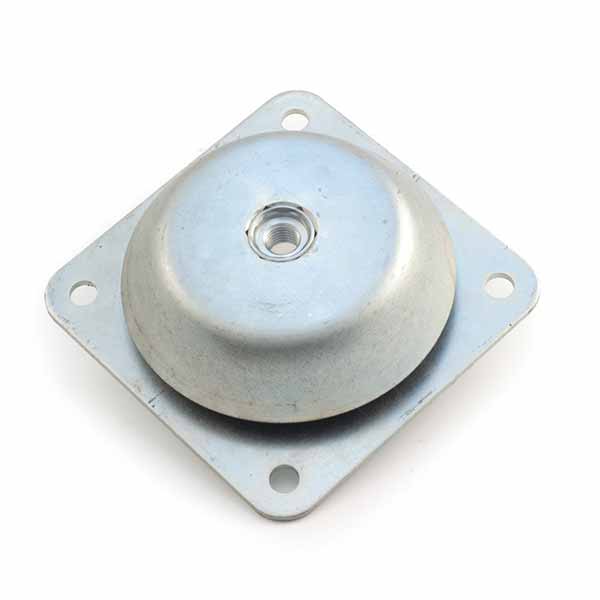
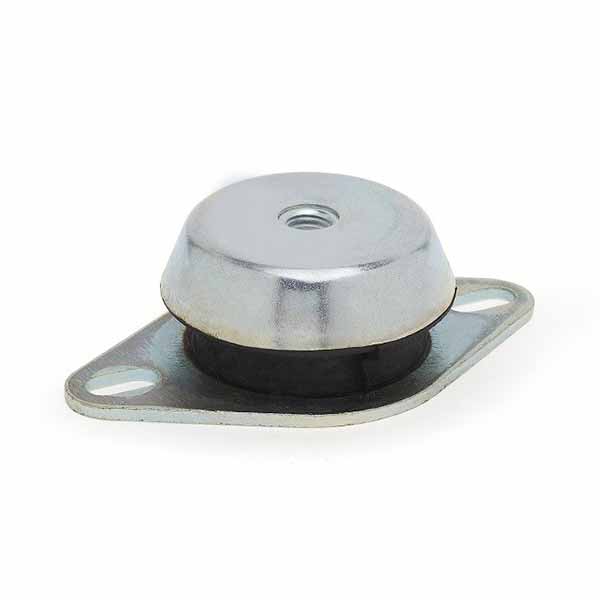
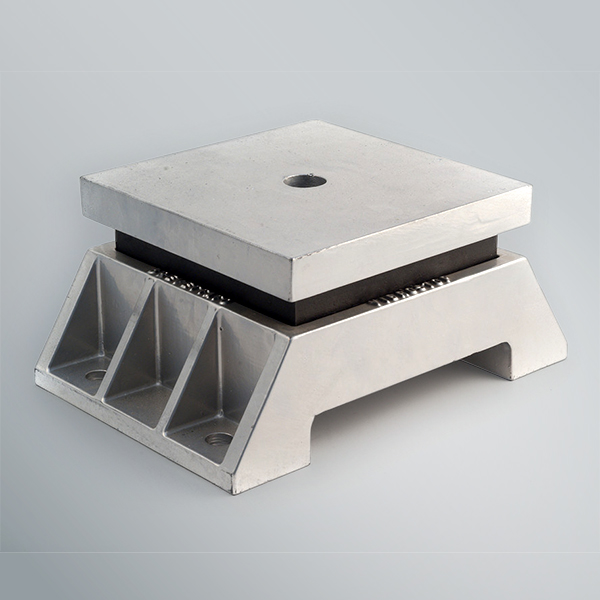
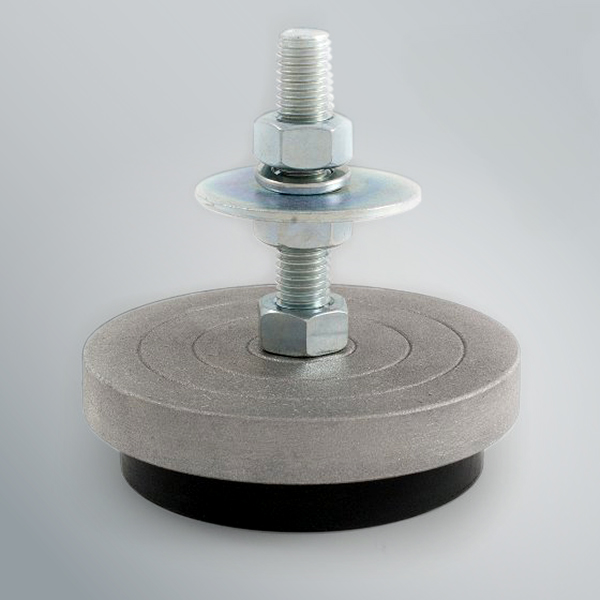
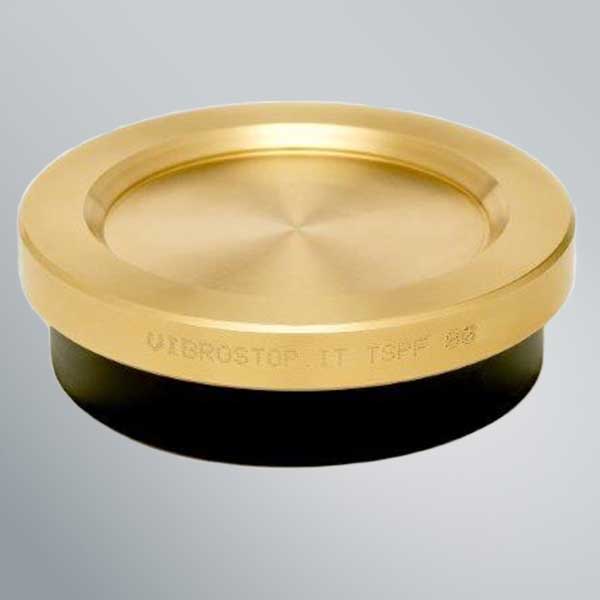
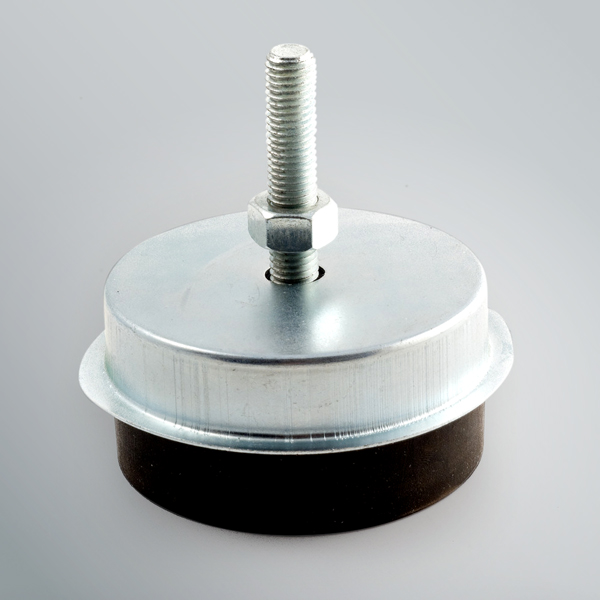
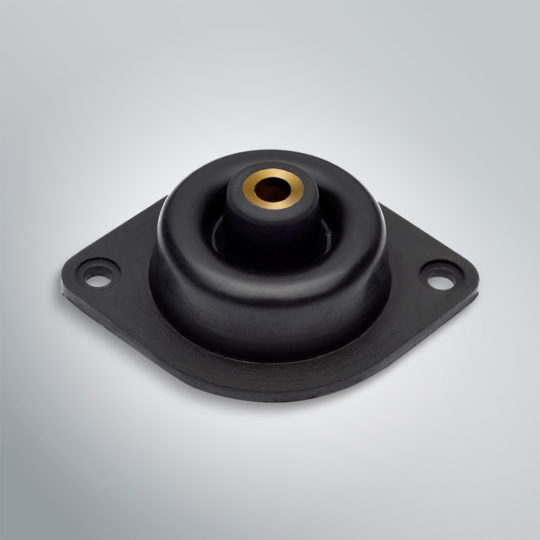
The most effective solution consists of creating a dedicated foundation beneath the machine, separated from the surrounding structure and supported by anti-vibration mounts such as: